Logistics & Warehousing
The challenge
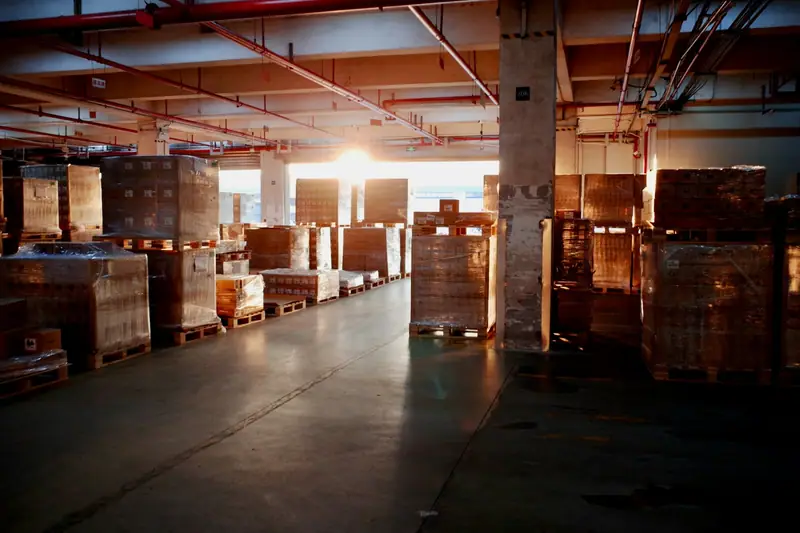
Hundreds of pallets a day that have to leave stable, wrapped and ready for the truck or container.
In a warehouse, load stability comes from three things: a sound pallet, stretch film that ties the load to the pallet, and strapping where the load is heavy or tall. Hand film suits low volumes; a pallet wrapper gives more consistent wrapping and less film waste once volumes grow. For containers, wrap the bottom of the load to the pallet and keep pallets within the container's door and floor dimensions.
What we recommend
Solution 1
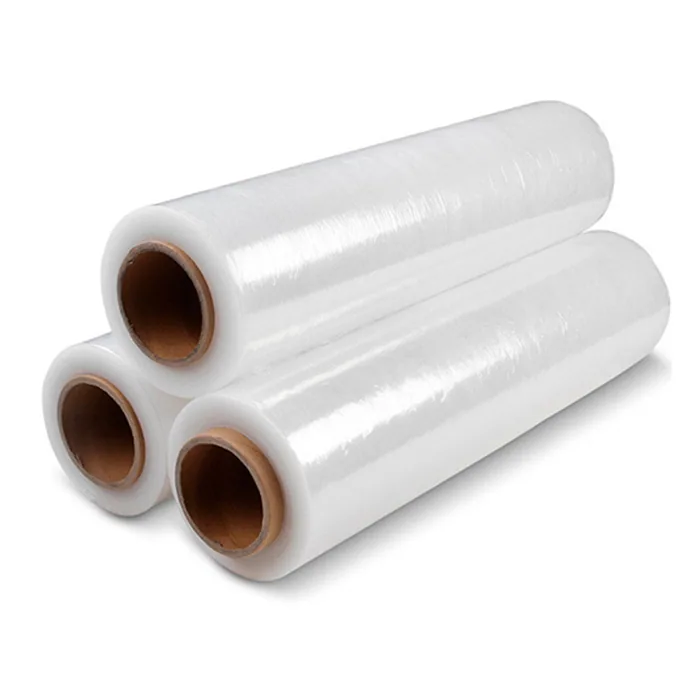
Stretch film
Hand and machine film to unitise mixed cartons into one stable load.
Browse the category
Solution 2
Wrapping and strapping machines
Machines keep wrapping and strapping consistent and fast when pallet volumes are high.
Browse the category
Solution 3
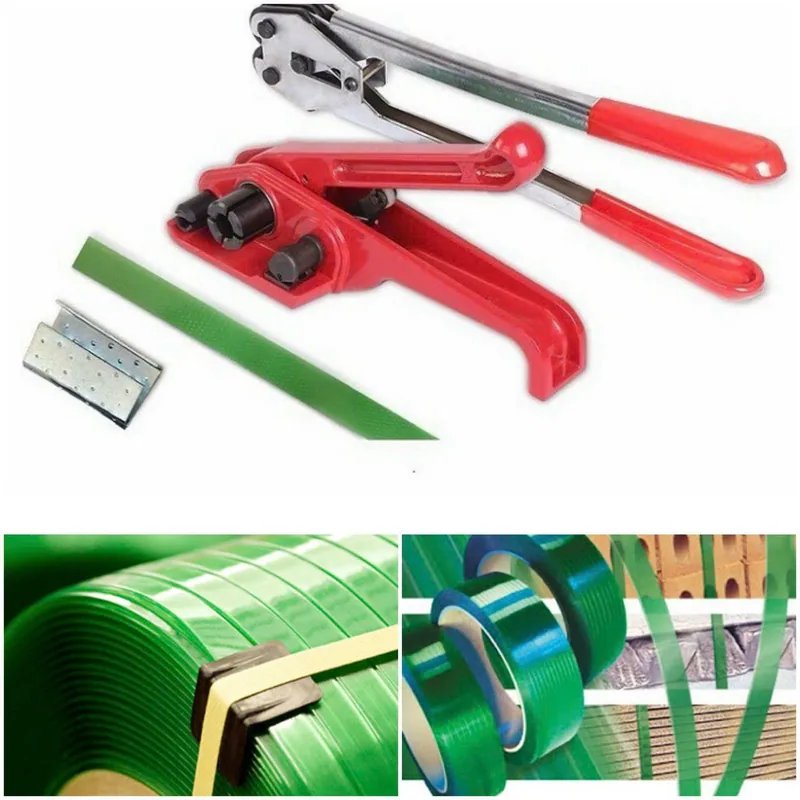
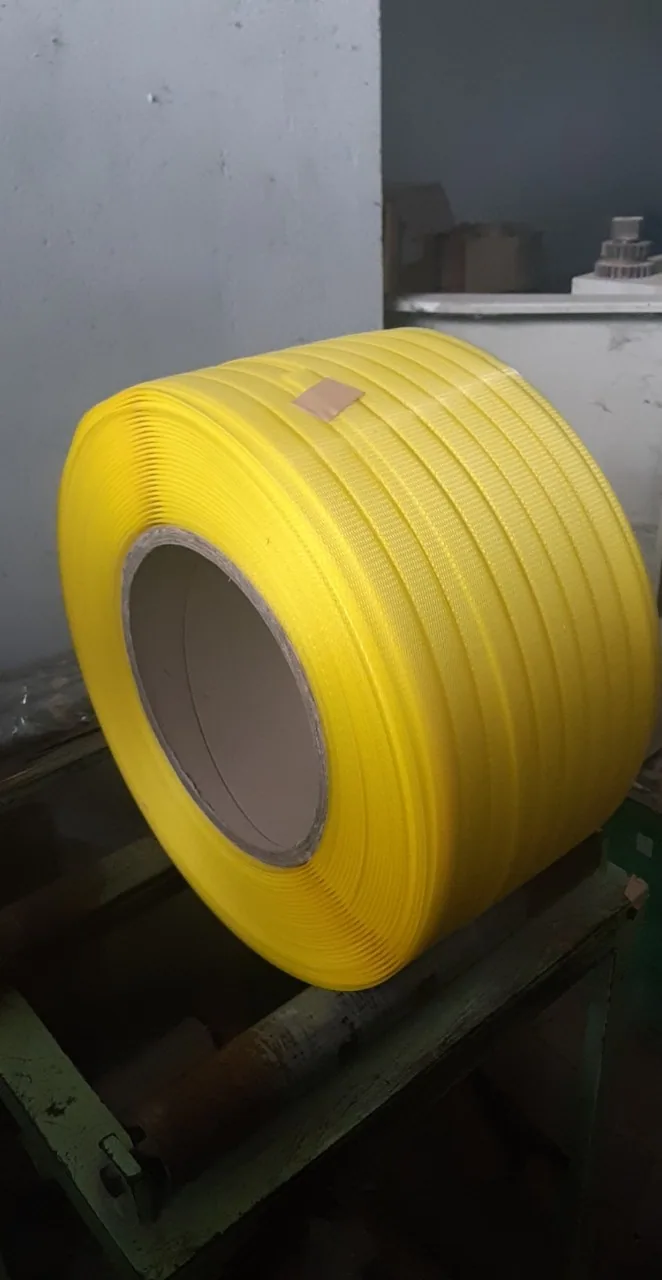
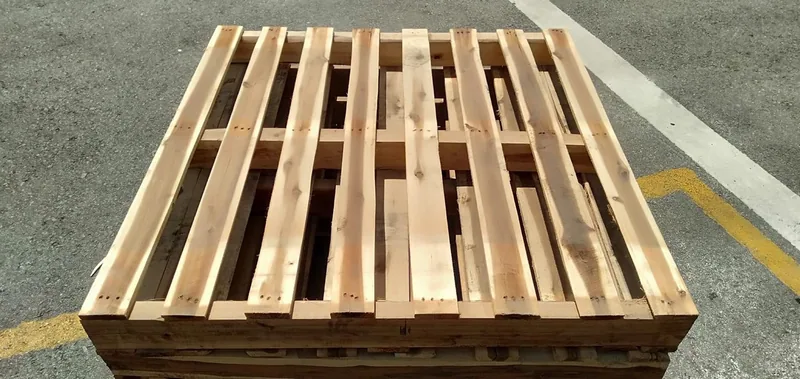
Pallets and strapping
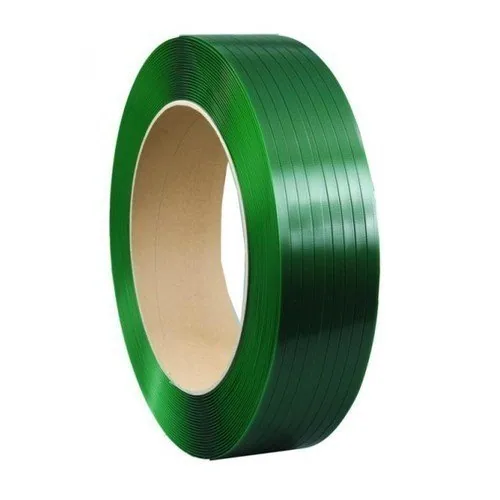
Wooden or plastic pallets as the base, PP strap for light to medium loads and PET strap for heavy or tall loads.
Browse the category
Solution 4
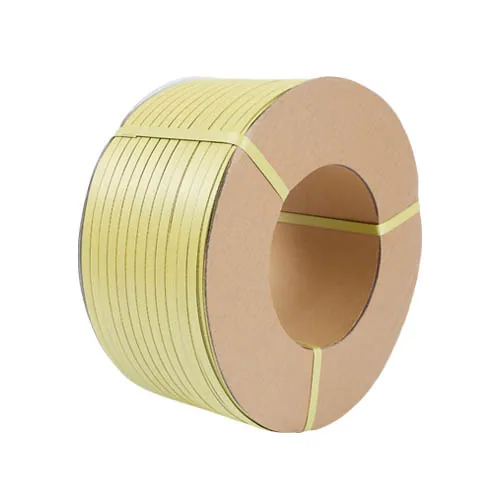
Carton sealing
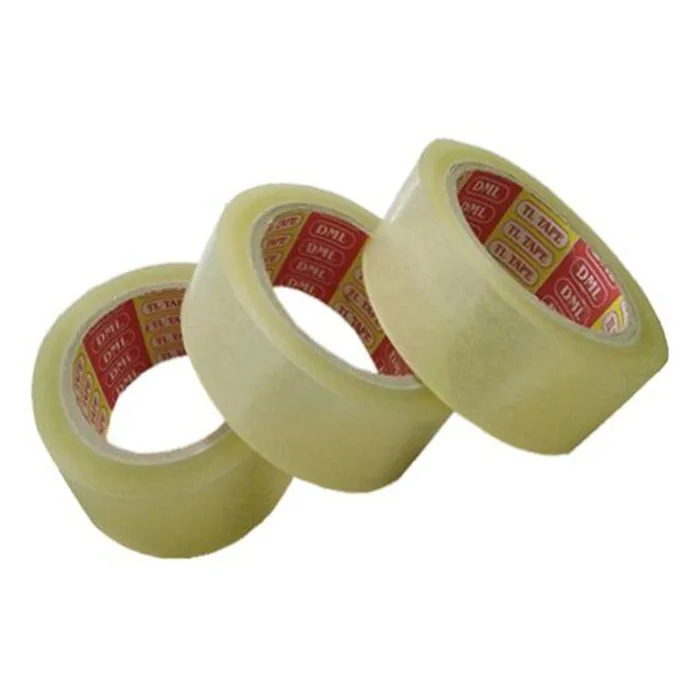
OPP tape to close cartons before they are stacked and wrapped.
Browse the category
Shipping to the United States? See how ordering from Vietnam works.Export guide for US buyers
Common questions
When is a pallet wrapper worth it?
When you wrap enough pallets that hand wrapping becomes slow, tiring or inconsistent. A machine applies film at a controlled tension and pattern, which usually means more stable loads and less film used per pallet.
Do wooden pallets need treatment for export to the US?
Solid wood packaging entering the United States generally has to meet the international ISPM 15 standard (heat treatment or fumigation, with the official mark). Confirm the requirement for your shipment with your importer or customs broker, and ask us about the pallets for your order.
Should I wrap the pallet itself?
Yes. Taking a few wraps down onto the pallet ties the load to its base; film that only covers the cartons lets the whole load slide off the pallet.