Lumber & Building Materials
The challenge
Long, heavy bundles that must stay square and tight from the yard to the job site.
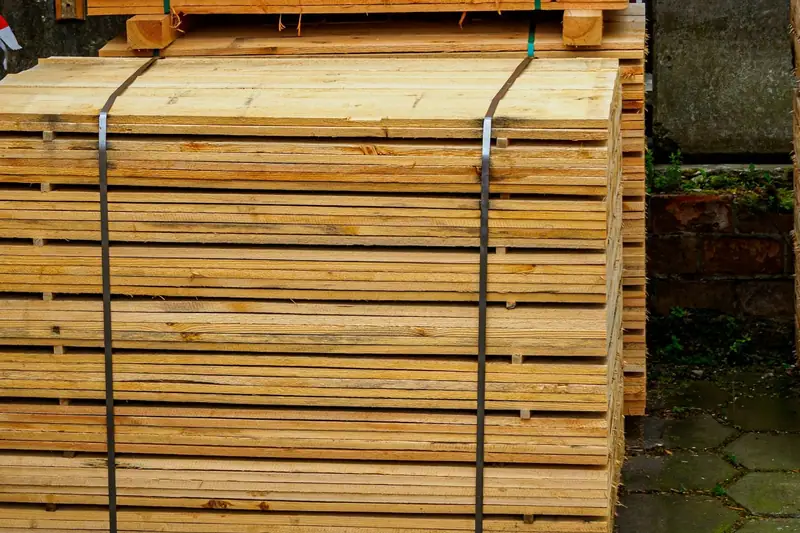
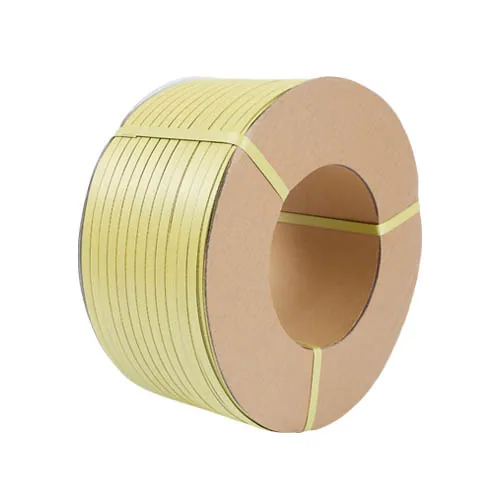
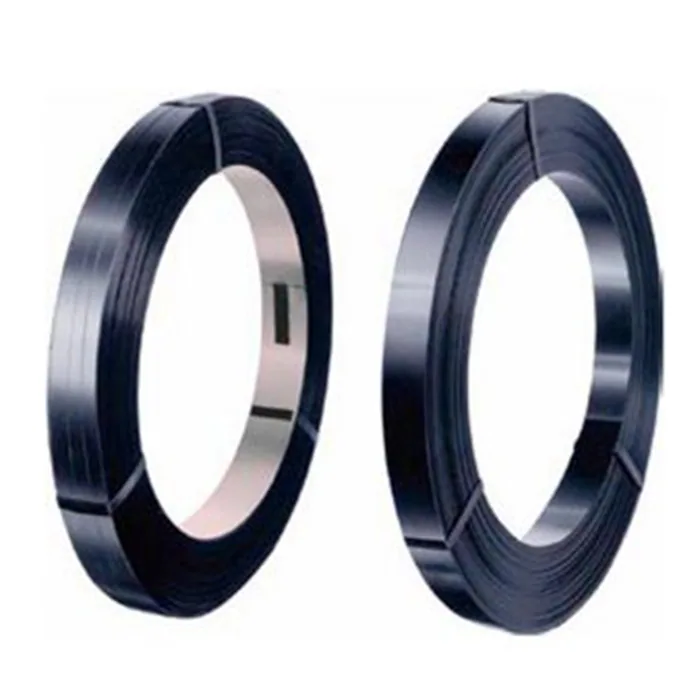
Lumber, panels and building materials are usually unitised into bundles with PET or PP strapping, placed at regular intervals along the length so the bundle cannot fan out. Edge boards protect corners from strap damage and forklift tines. Wood shrinks as it dries, so a strap that keeps its tension, such as PET, helps bundles stay tight during storage and transport.
What we recommend
Solution 1
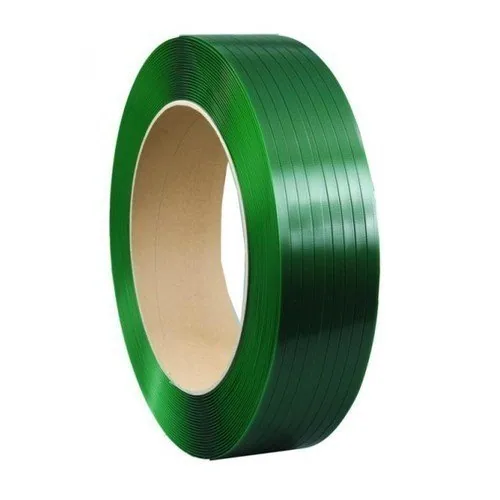
Bundling strap
PET for heavy timber bundles that must stay tight; PP for lighter bundles; steel for the heaviest loads.
Browse the category
Solution 2
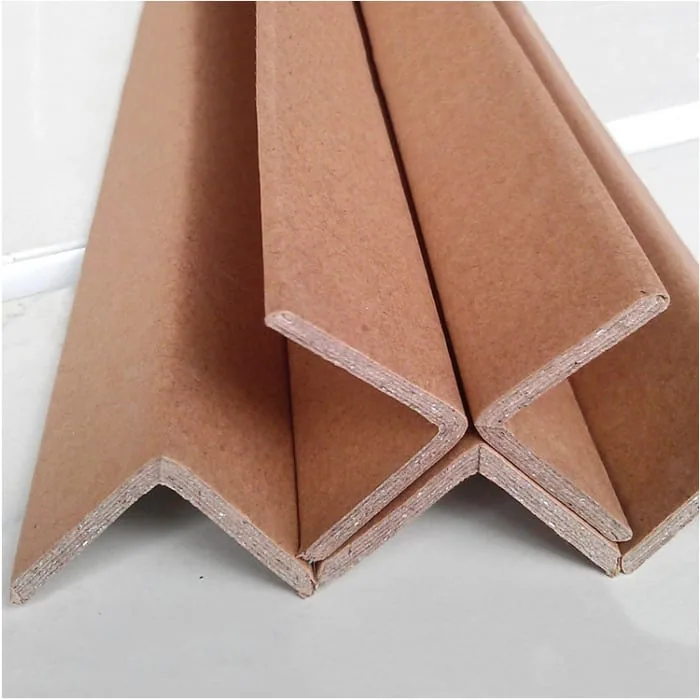
Corner and edge protection
Edge boards keep corners and finished faces clean where the strap and forklift touch the bundle.
Browse the category
Solution 3
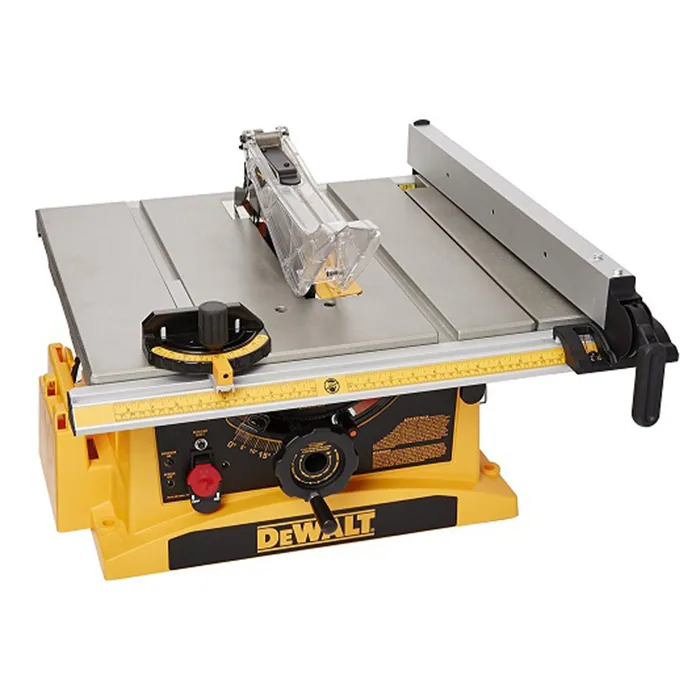
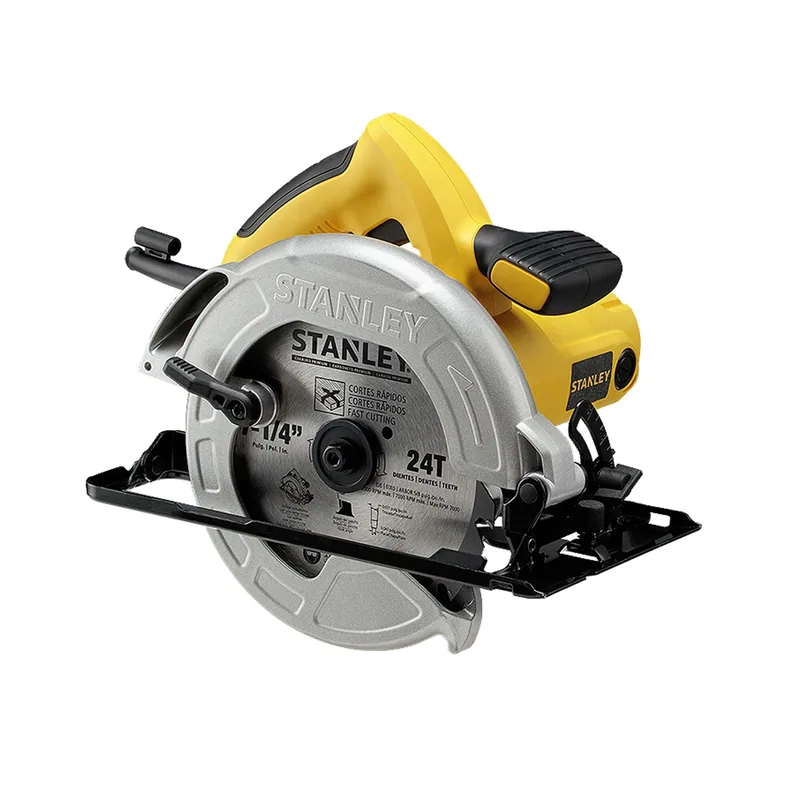
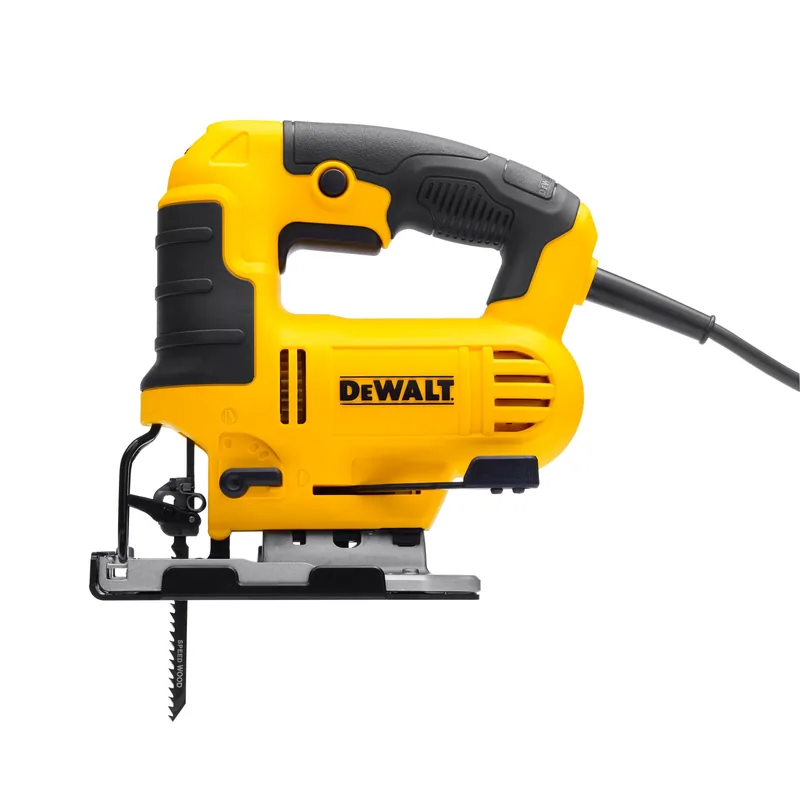
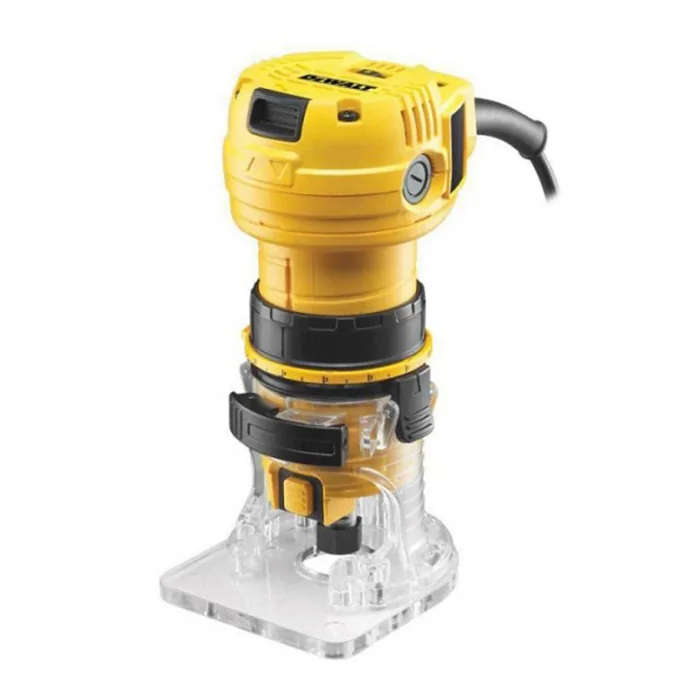
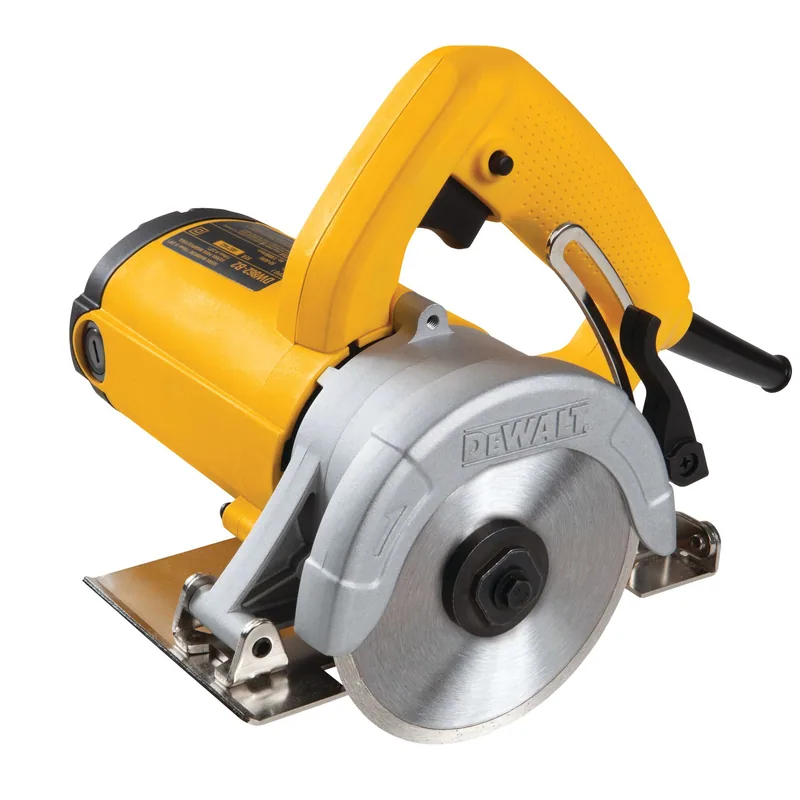
Saws and cutting tools
Table, circular and jig saws, a router and a tile cutter for cutting materials to size.
Corded tools are 220–240 V models for the Vietnamese market. Ask us about voltage and US supply before ordering.Power tools for the US
Browse the category
Solution 4
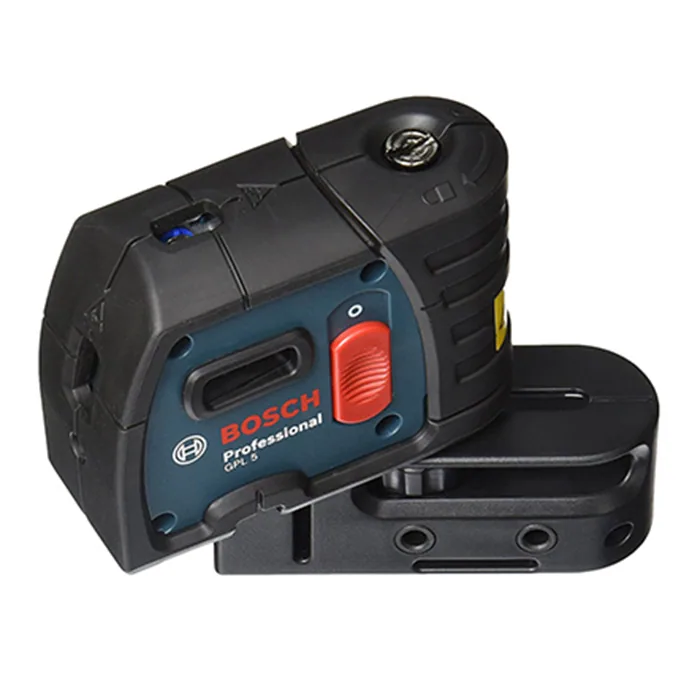
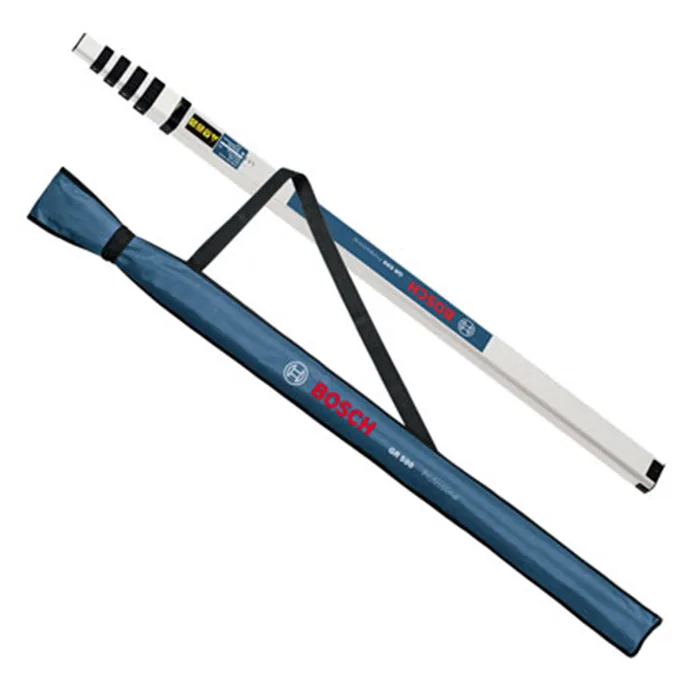
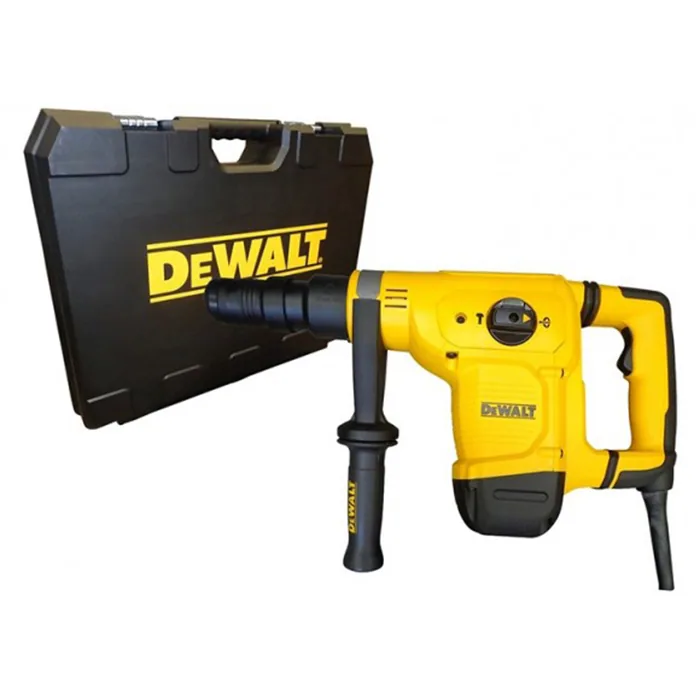
Layout and site tools
Point lasers, levelling staffs and a demolition hammer for setting out and site work.
Corded tools are 220–240 V models for the Vietnamese market. Ask us about voltage and US supply before ordering.Power tools for the US
Browse the category
Shipping to the United States? See how ordering from Vietnam works.Export guide for US buyers
Common questions
How many straps does a lumber bundle need?
It depends on bundle length, weight and how it will be lifted. A common approach is a strap near each end plus more at regular intervals along the length; follow your own or your customer's packing standard.
Why does strapping on wood loosen over time?
Wood loses moisture and shrinks, and bundles settle. A strap with good tension retention, such as PET, copes better with this than a strap that stretches and stays stretched.